IDMO – Italian Digital Media Observatory
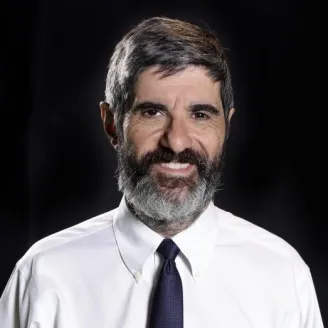
Gianni Riotta
Home Center: Research Center Data Lab
The Italian Digital Media Observatory (IDMO) is a strategic initiative created to tackle the challenges posed by disinformation in the digital age, promoting media literacy and improving the quality of information in Italy and Europe. It was established in September 2021, receiving €1,400,000.00 in funding from the European Commission through a public call for proposals. It was then renewed, winning the second round of work (€1,200,000.00) under the CEF Action 2020-EU-IA-0289-GA call.
In addition to digital literacy, the observatory’s other pillars include research, the study of new technologies and digital media, and the development of policies and recommendations for public and private institutions. Funded under the Connecting Europe Facility (CEF) program by the European Commission through a public call, IDMO features a major consortium coordinated by Data Lab and includes partners such as TIM, Cy4Gate, NewsGuard, Pagella Politica, ANSA, and RAI. IDMO is part of a broad European network of observatories (covering all EU Member States) coordinated by the European Digital Media Observatory. These observatories also work together on issues of international importance. IDMO’s main goal is to study digital media and promote critical thinking, with the aim of curbing harmful phenomena like disinformation, strengthening journalistic responsibility, and raising public awareness about the risks of information manipulation. The project leverages cutting-edge technologies, including artificial intelligence (AI), to detect fake news, deepfakes, and manipulation campaigns in real time. IDMO recognizes that technology alone is not enough; it is essential to work on rebuilding trust in the media and ensuring greater transparency in information.
Key stakeholders who collaborate and have collaborated within the network include: RESET, the Ministry of Education, the Ministry of Foreign Affairs and International Cooperation, the Ministry of Defense, Google, Apyfi, Istat, IPSOS, META, X, and others.
IDMO stands out for its collaborative approach, working not only with institutional partners but also with universities and international organizations such as FIDU, the UN, Harvard University, the University of Liverpool, the University of Michigan, the University of Dundee, the University of Tor Vergata, the University of La Sapienza, the Ca’ Foscari University, and others. In fact, it has engaged hundreds of schools, universities, and public institutions, educating students, journalists, and citizens on how to recognize and combat disinformation. Furthermore, IDMO is committed to monitoring online platforms, ensuring they comply with regulations such as the Digital Services Act and the Code of Practice on Disinformation. It also collaborates with the European Digital Media Observatory (EDMO) to provide fact-checking, educational materials, and policy assessments.
Through awareness campaigns, public events, workshops, and an Annual Summit, IDMO aims to foster a more informed digital citizenry, capable of navigating the vast online information landscape safely and knowledgeably. With its strategic vision and numerous partnerships, IDMO is a key player in combating disinformation and building a media ecosystem based on trust, integrity, and transparency.
The key results achieved within the project, which make it a multinational center of excellence, are:
Multidisciplinary, institutional, and international collaborations; Media Literacy Impact (nearly one billion contacts); scientific research; multiple funding awards exceeding two million euros across the two project cycles; establishment of five external monitoring centers; and media impact.
The Observatory aims to expand and strengthen research and innovation in new technologies, the study of digital media, and the fight against disinformation. Its goal is to promote better, more up-to-date information. The main topics include:
- Analysis of disinformation dynamics: studying the spread of fake news and its social, economic, and political implications.
- Development of innovative digital tools: creating technologies to monitor and combat disinformation, with a focus on artificial intelligence and machine learning.
- Training and awareness: promoting educational and media literacy programs for citizens, students, and professionals to enhance critical awareness when using online information.
- Stakeholder Engagement: Establishes dialogue and partnerships with public and private institutions, including the Ministry of Foreign Affairs, the Ministry of Defense, the Ministry of Education, the European Commission, the European Parliament, Meta, X, Google, NATO, FIDU, Edmo&Edmo hubs, and others.
The Observatory is of significant interest to the Center, the University, and civil society, as it will solidify IDMO’s position as a national and international leader in digital media research, offering innovative solutions to the challenges of contemporary communication. For the University, it will be an opportunity to attract competitive funding and develop highly qualified human capital. For civil society, it will help build a more informed and resilient citizenry.
From an economic standpoint, sustainability is ensured through access to European funds (such as Digital Europe and Horizon Europe), partnerships with businesses and public institutions, and the provision of training and consulting services. The Observatory thus emerges as a strategic component to expand IDMO’s activities and create a lasting positive impact.
RESEARCH AND THIRD MISSION OFFICE
Head:
Anna Elisa D'Agostino
Tel: 06 8522 5989
Viale Romania, 32
00197 Rome
ricerca@luiss.it
Alessandra Paoletti Research Centers
Tel: 06 8522 5826